Setting SL AND TP Levels in "tradingview forex trading crypto"

When it comes to forex trading, one of the most important strategies for success is setting stop-loss and take-profit levels. These levels act as safeguards to protect your capital and help you maximize your potential profits. In this article, we will delve into the concept of stop-loss and take-profit levels, and provide valuable insights on how to set them effectively.
Understanding Stop-Loss Levels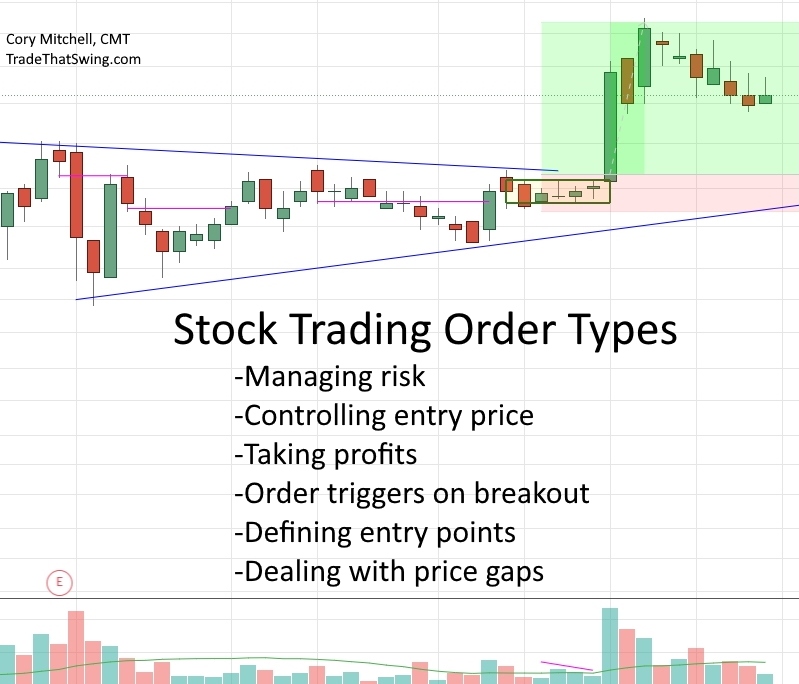
A stop-loss level is a predetermined price level at which you are willing to exit a trade in order to limit your losses. It acts as a safety net, protecting your capital from excessive drawdowns. Setting the right stop-loss level requires careful analysis and consideration of various factors.
Firstly, you should take into account the volatility of the currency pair you are trading. Some currency pairs tend to experience larger price swings, while others are more stable. If you are trading a volatile pair, you may need to set a wider stop-loss level to avoid getting prematurely stopped out. Conversely, a narrower stop-loss level may be sufficient for a stable pair.
Support and resistance levels on the chart also play a significant role in setting stop-loss levels. These levels represent areas where the price is likely to experience a significant reversal or continuation. Placing your stop-loss level just below a support level or above a resistance level can help protect your trade from unnecessary losses.
Another aspect to consider is your risk tolerance. Each trader has a unique risk appetite, and it's important to set the stop-loss level accordingly. If you are more risk-averse, you may want to set a tighter stop-loss level. However, if you are comfortable with taking on more risk, a wider stop-loss level may be more suitable.
Implementing Take-Profit Levels
Take-profit levels are the price levels at which you want to exit a trade to secure your profits. They help you lock in your gains and prevent the price from reversing and eroding your profits. Similar to stop-loss levels, determining the right take-profit level requires thorough analysis and consideration of various factors.
A key factor to consider is the potential reward-to-risk ratio of the trade. Ideally, your take-profit level should be at least twice the distance of your stop-loss level. This ensures that your potential profits outweigh your potential losses, giving you a favorable risk-reward ratio.
Technical analysis can also be a useful tool in identifying potential take-profit levels. Chart patterns, trendlines, and Fibonacci retracement levels can provide insights into areas where the price is likely to encounter resistance or support. Placing your take-profit level near these levels can increase the probability of successfully capturing your desired profits.
Additionally, it's important to stay up-to-date with market conditions and make adjustments to your take-profit level if necessary. As the market evolves, it's possible that new support or resistance levels may emerge, or the overall trend may change. Regularly monitoring the market and adapting your take-profit level accordingly can help you optimize your profits.
The Role of TradingView Forex Trading
TradingView is a powerful platform that provides traders with advanced charting tools, technical indicators, and real-time market data. It offers a wide range of features that can greatly assist in setting stop-loss and take-profit levels effectively.
One of the main advantages of TradingView is its extensive library of technical indicators. These indicators can help you identify key support and resistance levels, as well as potential entry and exit points. By utilizing these indicators, you can make more informed decisions when setting your stop-loss and take-profit levels.
Furthermore, TradingView allows you to overlay multiple charts and indicators, providing a comprehensive view of the market. This enables you to analyze the price action of multiple currency pairs simultaneously, helping you identify correlations and potential trading opportunities.
Another useful feature of TradingView is its social community, where traders can share ideas, insights, and strategies. Engaging with the TradingView community can provide valuable insights and different perspectives, which can enhance your trading decisions.
In conclusion, setting stop-loss and take-profit levels is a crucial aspect of forex trading. By carefully analyzing market conditions, considering volatility, support and resistance levels, and utilizing technical analysis tools such as TradingView, you can significantly improve your trading performance and protect your capital. Don't forget to regularly review and adjust your levels to adapt to changing market conditions. Happy trading!
For more resources and insights on forex trading, check out Learning to Trading.

Post a Comment
Post a Comment