Trading Psychology – Managing Emotions "tradingview forex trading"

In the world of trading, understanding and effectively managing your emotions is crucial for success. The volatile nature of the trading market coupled with the high stakes involved can easily evoke intense emotions, such as fear, greed, excitement, and frustration. However, allowing these emotions to rule your decision-making process can lead to impulsive actions and potentially disastrous outcomes. This is why it is essential to develop a strong trading psychology and learn how to manage your emotions effectively.
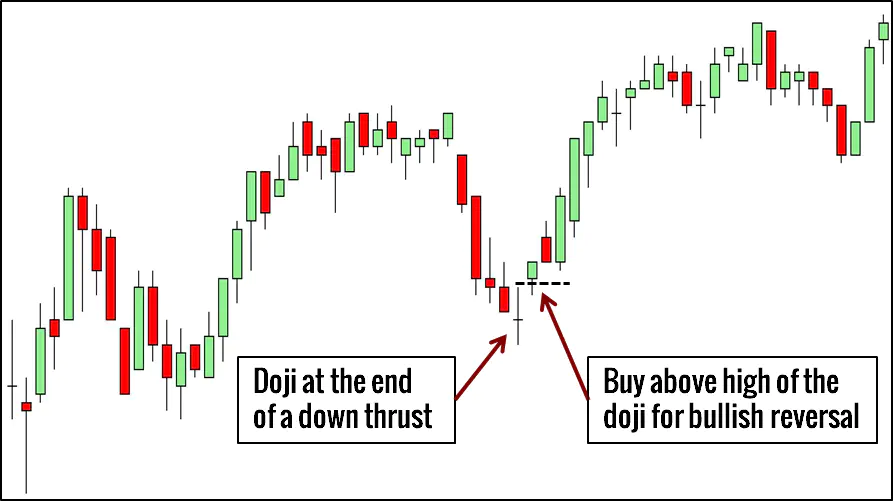
The Impact of Emotions on Trading
Emotions have a significant impact on our trading decisions. Fear, for example, can make us hesitant to enter a trade or prompt us to exit prematurely, missing out on potential profits. On the other hand, greed can drive us to take excessive risks, leading to significant losses. Emotions can also cloud our judgment and prevent us from sticking to a well-thought-out trading plan. It is crucial to recognize the influence of emotions and take steps to mitigate their negative effects.
Recognizing Your Emotional Triggers
One of the first steps in managing emotions is to recognize your emotional triggers. Identifying the situations or factors that tend to evoke specific emotions in you is key to understanding and controlling your reactions. It could be a sudden market downturn, a series of consecutive losses, or even the influence of other traders' opinions. Once you are aware of these triggers, you can take proactive measures to avoid allowing them to dictate your trading decisions.
Developing Emotional Discipline
Developing emotional discipline is essential for maintaining a calm and rational mindset while trading. This involves sticking to your trading plan and not deviating from it based on momentary emotions. Set clear entry and exit points for each trade, and follow them rigorously. Additionally, implement risk management strategies, such as setting stop-loss orders, to protect yourself from significant losses. By establishing and adhering to a disciplined approach, you can override impulsive emotional responses and make rational decisions based on analysis and strategy.
Maintaining a Trading Journal
Keeping a trading journal can be immensely helpful in managing emotions. Track your trades, record the emotions you experienced during each trade, and analyze the outcomes. This allows you to reflect on your decisions and identify any patterns or recurring emotional responses that may be hindering your performance. It also serves as a valuable tool for learning and growth. By reviewing your trading journal regularly, you can gain insights into the impact of emotions on your trading and make necessary adjustments to improve your decision-making process.
Practicing Stress-Relief Techniques
Trading can be a highly stressful activity, and stress can intensify emotions. It's crucial to have effective stress-relief techniques to help keep your emotions in check. This could include meditation, deep breathing exercises, physical activity, or any other activity that helps you relax and refocus. Experiment with different techniques and find what works best for you. Incorporating regular stress-relief practices into your trading routine can help you stay calm, focused, and better equipped to manage your emotions during high-pressure trading situations.
Seeking Support
Don't underestimate the power of having a support system in place. Connect with other traders, join trading communities or forums, and engage in discussions about trading psychology. Sharing experiences and insights can provide valuable perspectives and encourage emotional resilience. Hearing about how others manage their emotions and learning from their strategies can help you develop new approaches and gain confidence in your own trading abilities. Surrounding yourself with like-minded individuals who understand the challenges of trading can provide a sense of camaraderie and support.
Continuous Self-Improvement
Remember, trading psychology is an ongoing process. It takes time and practice to master your emotions and develop a disciplined approach to trading. Emotions may still arise, but with experience and self-awareness, you can learn to acknowledge and manage them effectively. Regularly evaluate your trading performance and analyze the impact of your emotions on your decision-making. Continuously seek ways to improve and refine your emotional management skills, as this is an integral part of becoming a successful trader.
For more articles on trading psychology and other related topics, visit Learning to Trading Blog.
Hashtags:
#tradingpsychology #managingemotions #forextrading #tradingview
Post a Comment
Post a Comment